Contents (14 sections)
Introduction
Football stadia have witnessed a remarkable transformation over the decades. As central hubs for fans and players alike, these venues have evolved from simple structures to architectural marvels. This article delves into the historical evolution, highlighting key developments and trends in football stadia.
Historical Beginnings
The origins of football stadia date back to the late 19th and early 20th centuries, primarily serving as modest venues. One of the earliest examples is Goodison Park, opened in 1892 and holding a capacity of around 12,000. During this era, stadia like Anfield and Villa Park offered limited amenities, focusing primarily on providing just enough space for spectators.
As the popularity of football surged, so did the need for larger and more sophisticated stadia. By the mid-20th century, structures like Wembley Stadium became iconic, hosting significant events such as the 1966 FIFA World Cup final. The introduction of floodlights allowed for evening matches, marking a pivotal change in how games were scheduled and viewed.
Technological Advances
With the advance of technology, football stadia began incorporating cutting-edge innovations. One significant milestone was the introduction of all-seater stadia, greatly enhancing spectator safety and comfort. Following the Taylor Report in 1990, prompted by the Hillsborough disaster, many UK stadia transitioned to all-seater arrangements.
Modern stadia now boast state-of-the-art sound systems, high-definition displays, and internet connectivity, offering an immersive experience. Notably, the Tottenham Hotspur Stadium features the world's first retractable pitch, allowing it to host multiple events. Such advancements demonstrate the commitment to enhancing the matchday experience for fans.
Architectural Innovations
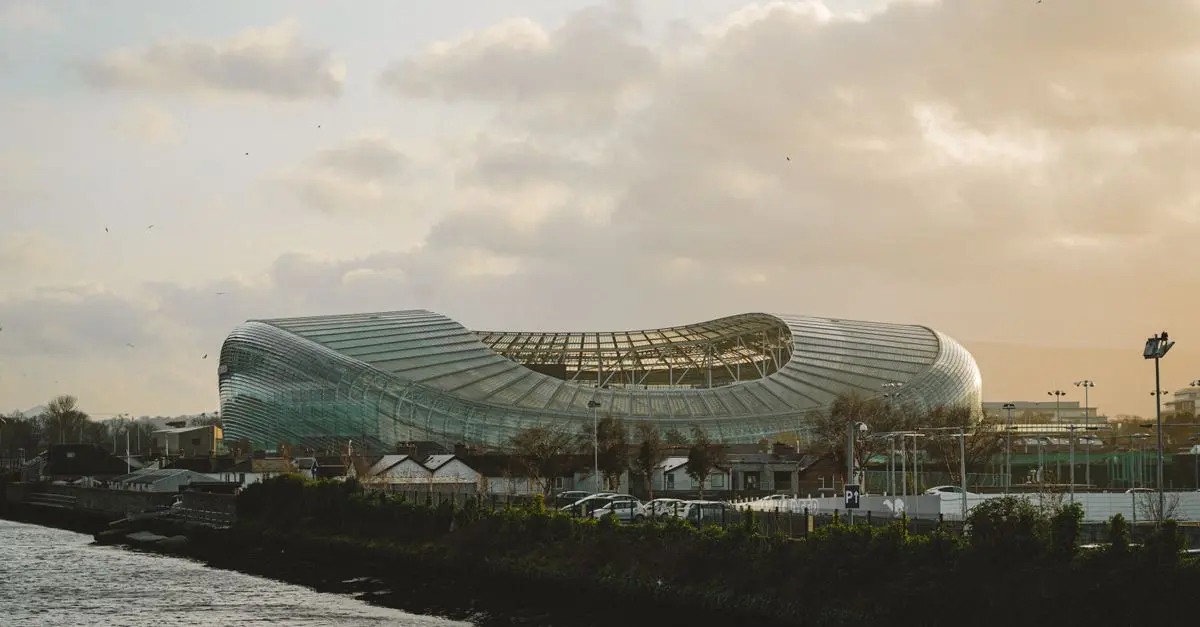
Contemporary design has fundamentally reshaped football stadia, transforming them into architectural landmarks. Allianz Arena, with its striking facade, exemplifies the aesthetic potential of modern stadia. Similarly, Camp Nou and San Siro showcase the grandeur and complexity of large-capacity venues.
Today, multi-functional designs are prevalent, allowing stadia to host concerts, conferences, and other sporting events. Architects focus on sustainability, incorporating environmentally friendly materials and building techniques. The use of solar panels and rainwater harvesting systems are becoming standard in new constructions, reflecting a growing awareness of environmental issues.
Environmental Considerations
Stadia must now address environmental concerns, striving for sustainability and reduced carbon footprints. Recent stadia designs prioritize energy efficiency, with features like LED lighting and advanced climate control systems. According to ADEME, implementing these technologies can reduce energy use by up to 30%.
Initiatives such as urban reforestation around stadia and promoting public transport options to reduce vehicular emissions are actively pursued. UEFA has mandated strict guidelines to ensure that major tournaments consider the environmental impact of the venues used, aiming for carbon neutrality by 2030.
Future Prospects
Looking ahead, the future of football stadia is promising, marked by continual innovation. Technologies such as virtual reality (VR) and augmented reality (AR) promise to revolutionise how fans engage with live sports. The integration of advanced analytics will offer personalised experiences, enhancing spectator enjoyment.
In the UK, initiatives are already underway to develop the next generation of smart stadia, equipped with facial recognition for entry and cashless transactions for convenience. As environmental regulations tighten, future stadia will likely incorporate even more sustainable practices, setting a global standard for eco-friendly sport venues.
📺 Resource Video
> 📺 For deeper insight: "History and Evolution of Football Stadiums" provides an in-depth look at the transformation of football venues over time. Search on YouTube: "evolution of football stadia history analysis".
🧠 Quick Quiz:
> Which stadium features the first retractable pitch in the world?
>- A) Camp Nou
>- B) Allianz Arena
>- C) Tottenham Hotspur Stadium
> Answer: C — Tottenham Hotspur Stadium is the first to feature a retractable pitch, allowing multi-use for various events.
- What was the first all-seater stadium?
The first all-seater stadium was The Valley, home to Charlton Athletic, fully converted in the 1990s.
- How do modern stadia accommodate non-sporting events?
Stadia now include retractable pitches, versatile seating, and advanced acoustics to host concerts and conferences.
- What are common environmental features in new stadium construction?
Common features include solar panels, rainwater collection, and LED lighting systems.
- How has technology changed the matchday experience?
Innovations such as HD displays, Wi-Fi connectivity, and mobile ticketing have enhanced spectator engagement and convenience.
Glossary
| Terme | Définition |
|---|---|
| All-Seater Stadium | A stadium where seating is provided for all spectators. |
| Retractable Pitch | A pitch that can be moved or removed to make space for other events. |
| Sustainability | The practice of maintaining practices that do not deplete resources or harm natural cycles. |
Checklist Before Visiting a Stadium
- [ ] Check seating availability and arrangements.
- [ ] Verify match schedules and starting times.
- [ ] Explore parking and public transport options.
- [ ] Review stadium entry policies (e.g., prohibited items).
- [ ] Plan for weather conditions and appropriate attire.
Conclusion
The evolution of football stadia is a testament to human ingenuity and passion for the sport. As they continue to adapt and transform, these venues not only host thrilling matches but also foster a sense of community and innovation.
📚 Sources
- Wikipedia for historical context
- UEFA environmental guidelines
- ADEME energy efficiency report